
Finding mold on your baby’s stroller can be alarming, and for good reason. Not only is it unsightly, but the thought of your little one being so close to it is enough to make any parent worry. Mold can grow surprisingly fast, especially if the stroller has been stored in a damp place or left with spilled milk or food crumbs.
This guide will walk you through exactly how to safely and effectively remove mold from a stroller. You’ll learn about the best cleaning solutions, a step-by-step process that works, and simple tricks to prevent mold from ever coming back. Let’s get that stroller sparkling clean and safe for your next adventure.
Contents
Why Mold Grows on Strollers (Common Causes)
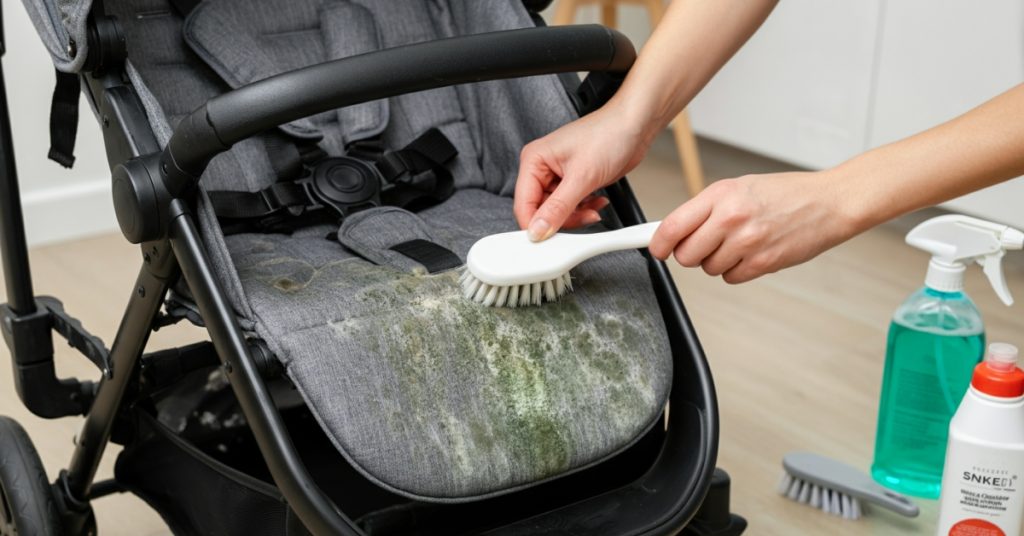
Mold is a type of fungus that thrives in damp, dark, and warm environments. A baby stroller, with its fabric folds, crevices, and frequent exposure to moisture, can unfortunately become the perfect breeding ground. Understanding why mold appears in the first place is the first step toward preventing it.
Here are the most common causes of mold growth on strollers:
- Lingering Moisture: This is the primary culprit. A stroller left out in the rain, not dried properly after cleaning, or stored in a humid garage or basement provides the dampness mold needs to flourish. Even a small amount of water trapped in the seat fabric or canopy can kickstart mold growth.
- Food and Drink Spills: Spilled milk, juice, formula, and leftover snack crumbs are a food source for mold spores. When these spills are not cleaned up promptly, they create a nutrient-rich environment that encourages mold to grow, especially when combined with moisture.
- Poor Air Circulation: Storing a stroller in a cramped, stuffy space limits airflow. Without proper ventilation, any moisture on the stroller fabric or frame has no chance to evaporate. This stagnant, damp air creates an ideal habitat for mold spores to settle and multiply.
- Infrequent Cleaning: Let’s face it—life with a little one is busy. Regular stroller cleaning can easily fall to the bottom of the to-do list. Over time, the accumulation of dirt, dust, and organic matter (like those tiny crumbs) provides the fuel mold needs to thrive.
- Putting it Away Wet: Folding up a damp stroller and putting it away is a common mistake that almost guarantees mold. The lack of air and light inside the folded stroller creates a dark, humid incubator perfect for mold and mildew.
By recognizing these common causes, you can be more proactive. A little prevention, like wiping down spills right away and ensuring your stroller is completely dry before storage, goes a long way in keeping it clean and mold-free.
How to Remove Mold From a Stroller (Step-by-Step)

Ready to tackle that mold? This step-by-step process will guide you through cleaning your stroller thoroughly and safely. Before you begin, find a well-ventilated area to work in, preferably outdoors on a sunny day. The sunlight will help kill mold spores and dry the stroller faster.
Here’s what you’ll need:
- A stiff-bristled brush
- A vacuum with a brush attachment
- Your chosen cleaning solution (more on this below)
- A spray bottle
- Clean cloths or sponges
- A bucket of warm water
- Protective gloves
Step 1: Brush Away Loose Mold
First, put on your protective gloves. Using a stiff-bristled brush, gently scrub the visible mold patches to loosen them. Do this outside to avoid spreading mold spores inside your home. The goal is to remove as much of the surface mold as possible before applying any liquid cleaners. Be thorough, but not so aggressive that you damage the fabric.
Step 2: Vacuum the Spores
Once you’ve brushed the moldy areas, use a vacuum cleaner with a brush attachment to suck up all the loose spores and debris. Go over the entire stroller, paying close attention to seams, crevices, and any hidden corners where mold might be hiding. This step is crucial for preventing spores from spreading during the cleaning process.
Step 3: Apply Your Cleaning Solution
Fill a spray bottle with your chosen cleaning solution (we’ll explore options like vinegar, baking soda, and soap in the next section). Lightly spray the solution onto the mold-affected areas. Don’t oversaturate the fabric, as excess moisture can worsen the problem. Let the solution sit for about 10-15 minutes to allow it to penetrate the mold and start breaking it down.
Step 4: Scrub the Stains
After the solution has had time to work, take a clean cloth or sponge and scrub the stains in a circular motion. You may need to apply a bit of pressure for stubborn spots. For tougher mold on the frame or plastic parts, you can use your stiff-bristled brush again. Dip your cloth or brush in warm water as you go to help lift the mold and dirt.
Step 5: Rinse Thoroughly
Once you’re satisfied that the mold is gone, it’s time to rinse. Using a clean cloth dipped in plain warm water, wipe down all the areas you treated. This removes any leftover cleaning solution and lingering mold residue. Wring out the cloth frequently and use fresh water as needed to ensure you’re not just spreading the residue around. For removable fabric parts, you can rinse them under a tap.
Step 6: Dry Completely in the Sun
This is perhaps the most important step. Mold cannot survive without moisture, so drying your stroller completely is essential to prevent it from returning. If possible, leave the stroller open in a sunny, dry spot for several hours. The sun’s UV rays are a natural disinfectant and will help kill any remaining mold spores. Make sure every part of the stroller—fabric, straps, and frame—is bone-dry before you fold it up or store it.
Best Cleaning Solutions: What to Use?
When it comes to removing mold from a stroller, you have several effective and safe options. Many household items work just as well as commercial cleaners. Here’s a breakdown of the best choices.
White Vinegar
Vinegar is a fantastic natural mold killer. Its acidic properties break down mold and disinfect surfaces without harsh chemicals.
- How to Use: Mix equal parts white vinegar and water in a spray bottle. Spray it directly onto the moldy areas, let it sit for about 15 minutes, and then scrub and rinse. The vinegar smell will be strong at first but will disappear completely once the stroller is dry.
- Best For: Fabric, plastic, and metal frames. It’s a great all-around choice.
Baking Soda
Baking soda is a mild abrasive that cleans stains and absorbs odors. It’s gentle on fabrics and works well in combination with vinegar.
- How to Use: Create a paste by mixing baking soda with a small amount of water. Apply the paste to the mold stains and let it dry. Once dry, scrub it off with a stiff brush and vacuum up the residue. You can also mix two tablespoons of baking soda with water in a spray bottle and use it as a cleaning spray.
- Best For: Removing stubborn stains and eliminating musty smells.
Mild Soap or Detergent
A simple solution of mild soap or baby-safe detergent and warm water can be very effective, especially for light mold or general cleaning.
- How to Use: Mix a small amount of soap with warm water in a bucket until it’s sudsy. Use a sponge or cloth dipped in the soapy water to scrub the moldy areas. Rinse thoroughly afterward to avoid leaving behind a residue that could attract more dirt.
- Best For: Routine cleaning and tackling fresh mold spots.
Commercial Mold Cleaners
There are many commercial mold and mildew removers available. If you choose this route, look for one that is specifically labeled as safe for fabrics and, ideally, non-toxic or baby-safe.
- How to Use: Always follow the manufacturer’s instructions carefully. These products are often very powerful, so test them on a small, inconspicuous area first to ensure they don’t discolor the fabric. Wear gloves and work in a well-ventilated area.
- Best For: Very severe or stubborn mold infestations that natural solutions can’t handle.
Ultimately, a simple solution of white vinegar and water is often the safest and most effective method for removing mold from a stroller. It’s cheap, non-toxic, and kills a high percentage of mold species.
How to Clean Different Stroller Parts
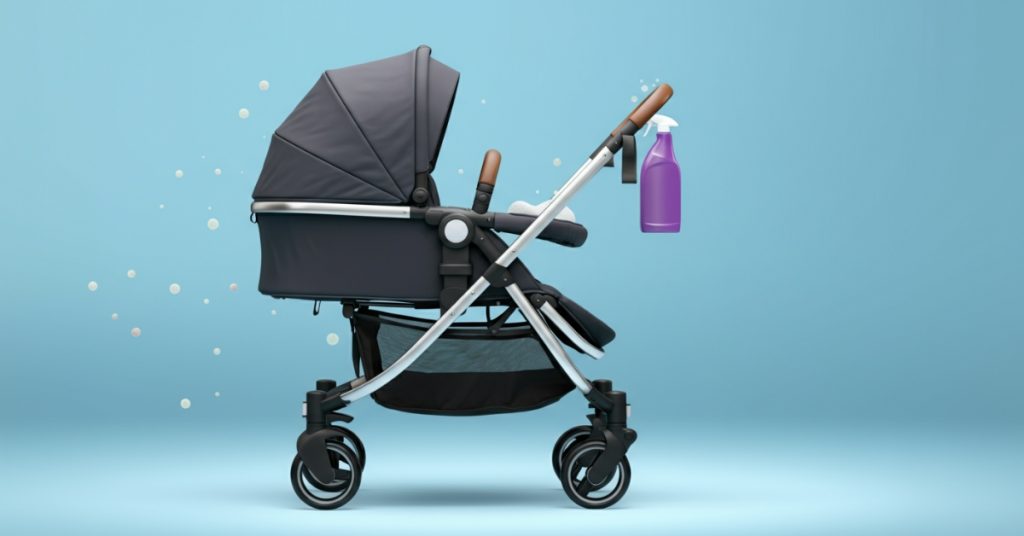
A stroller is made of various materials, and each part may require a slightly different cleaning approach. Here’s how to tackle mold on the fabric, frame, harness, and canopy.
Cleaning Stroller Fabric
The seat, basket, and other fabric components are the most common places for mold to grow.
- Remove if Possible: Many strollers have removable fabric covers that can be cleaned separately. Check your user manual for instructions. If you can remove the fabric, it will be much easier to clean thoroughly.
- Use a Gentle Approach: Use a vinegar or baking soda solution. Spray it on, let it sit, and scrub with a soft cloth or brush. Avoid using overly harsh chemicals that could damage the fabric or leave behind residue that might irritate your baby’s skin.
- Rinse and Sun-Dry: Rinse the fabric completely with clean water and let it air dry in direct sunlight.
Cleaning the Stroller Frame
Mold can also grow on the metal or plastic frame, especially in joints and crevices.
- Wipe It Down: Use a cloth soaked in your vinegar and water solution to wipe down the entire frame.
- Scrub Crevices: For tight spots and joints, use an old toothbrush or a small brush to scrub away any mold or grime.
- Dry Thoroughly: After rinsing the frame with a damp cloth, dry it completely with a clean towel to prevent rust and new mold growth.
Cleaning the Harness and Straps
The safety harness and straps are in direct contact with your baby, so it’s crucial to clean them carefully.
- Spot Clean First: Harnesses are often not removable, so you’ll need to spot clean them. Use your chosen cleaning solution on a cloth to scrub the straps from top to bottom.
- Pay Attention to Buckles: Don’t forget to clean inside and around the buckle mechanisms, as crumbs and moisture can get trapped there.
- Rinse with Care: Use a clean, damp cloth to wipe away all cleaning residue. Let the straps air dry completely.
Cleaning the Canopy
The canopy’s folds are another prime spot for mold.
- Extend and Brush: Fully extend the canopy and brush off any loose mold spores outdoors.
- Spray and Scrub: Lightly spray the canopy with your cleaning solution, focusing on the folded sections and seams. Scrub gently with a cloth.
- Air Dry in the Sun: Leave the canopy fully extended in the sun to dry. This helps ensure no moisture gets trapped in the folds.
How to Prevent Mold From Coming Back
Once your stroller is clean, you’ll want to keep it that way. Prevention is key to avoiding future mold problems.
- Dry it Immediately: If your stroller gets wet from rain or a spill, wipe it down and let it air dry completely as soon as you get home. Never fold it up and store it while damp.
- Clean Spills Promptly: Wipe up any food or drink spills right away with a baby wipe or a damp cloth. Don’t give mold the chance to feed on leftovers.
- Ensure Good Airflow: Store your stroller in a dry, well-ventilated area. Avoid damp basements, crowded closets, or humid garages. If you have to store it in a less-than-ideal spot, consider using a dehumidifier nearby.
- Regular Cleaning: Give your stroller a quick wipe-down every few weeks. This prevents dirt and grime from building up and creating a welcoming environment for mold. If you want a full step-by-step guide, check out how to properly clean your stroller.
- Use a Stroller Liner: A removable, machine-washable stroller liner can make cleanups much easier. It protects the main fabric from spills and can be tossed in the wash regularly.
A Fresh Start for Your Stroller
Discovering mold on your baby’s stroller is unsettling, but it’s a problem you can solve. With a bit of scrubbing and the right natural cleaners, you can restore your stroller to a safe and spotless condition. By staying on top of spills and ensuring it’s always stored dry, you can easily prevent mold from becoming a recurring issue. Now you’re ready to roll on with peace of mind.
Frequently Asked Questions
Is it safe to use bleach on a stroller?
No, it is generally not recommended to use bleach on a stroller. Bleach can damage and discolor the fabric, weaken the integrity of the straps, and leave behind harsh chemical residues that could irritate your baby’s skin. Stick to safer alternatives like white vinegar or a mild soap solution.
How do I clean a stroller that smells musty?
A musty smell is usually a sign of mildew, so a thorough cleaning is needed. After cleaning with a vinegar solution, sprinkle dry baking soda over the fabric and let it sit for a few hours to absorb any lingering odors before vacuuming it up. Leaving the stroller in the sun to dry is also very effective at eliminating musty smells.
Can mold on a stroller make my baby sick?
Yes, mold on a stroller can potentially make your baby sick. Exposure to mold can cause allergic reactions, respiratory issues like coughing or wheezing, and skin irritation, especially in infants whose immune systems are still developing. It’s crucial to remove mold as soon as you spot it.
How long does it take for mold to grow on stroller fabric?
Mold can begin to grow on a damp surface within 24 to 48 hours. If a stroller is left wet in a warm, poorly ventilated area, you could see visible mold spots in just a few days. This is why drying your stroller promptly is so important.
Can I put stroller fabric in the washing machine?
Sometimes, but you must check the manufacturer’s care label or manual first. Some stroller fabrics are designed to be machine washable, while others can be damaged by it. If the label says it’s okay, use a gentle cycle with cold water and a mild, baby-safe detergent.
As an Amazon Associate, I earn from qualifying purchases.